Water Conservation Tips
🏠 Make Sure Your Home Is Leak-Free
Why check for leaks?
Leaks waste water and can cause damage. If you hear water running late at night when no one is up, or notice damp spots that never dry (inside or outside), it’s time to investigate!
Need help?
VAID water operators can test for household leaks. If you suspect a leak, contact us to schedule a test.
Common Household Leaks & Quick Checks
- Toilet:
Add food dye to the tank. If color appears in the bowl after 20 minutes, you have a leak. - Faucets:
A dripping tap often just needs a new washer. - Garden hose:
Always turn off the water at the faucet after use. - Hose connections:
Replace the gasket for a quick, inexpensive fix. - Automatic watering systems:
Watch for ground areas that stay wetter or grow faster than others—these may signal a leak.
💡 Water Saving Tips for Every Room
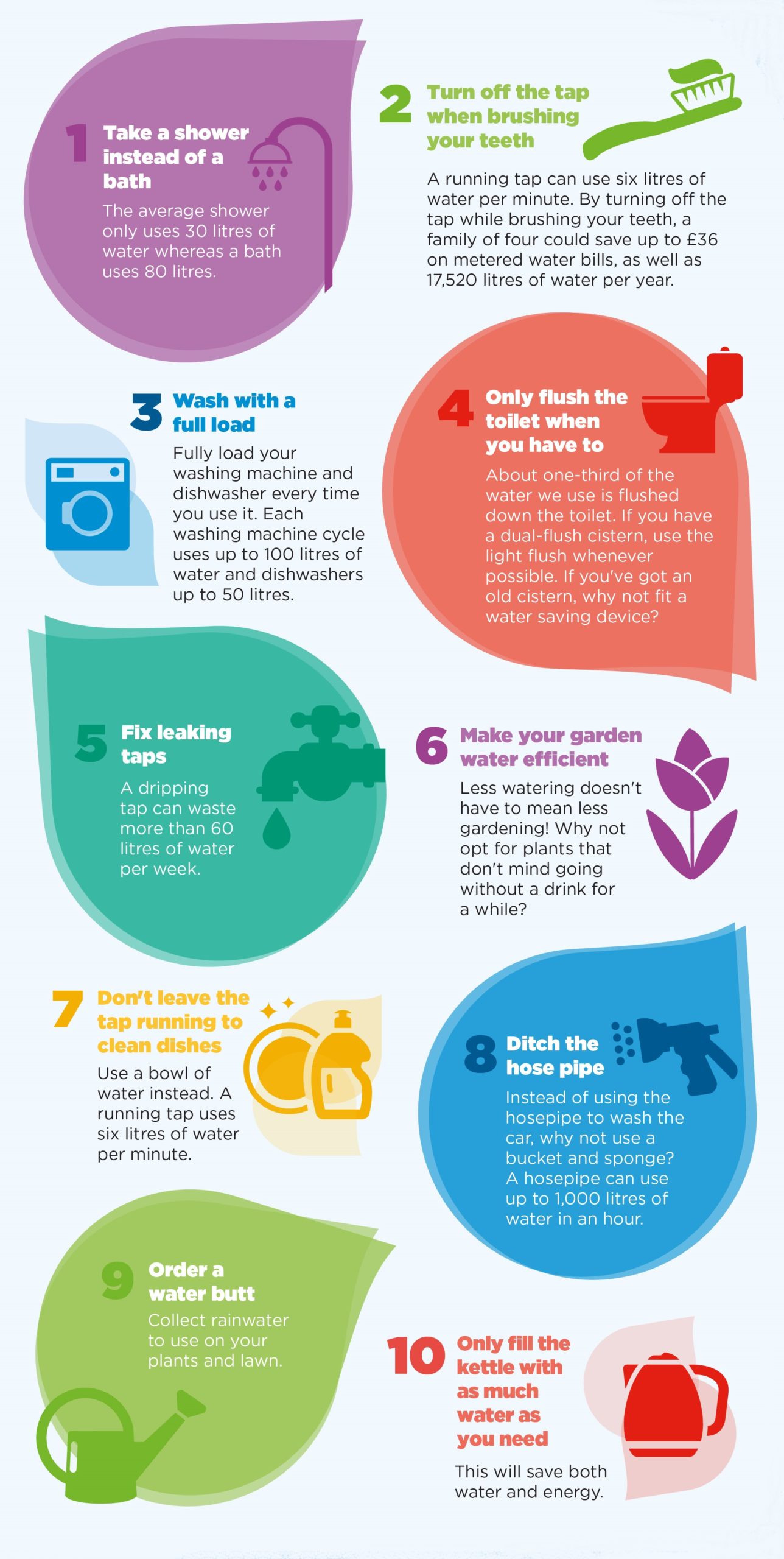
💧General Tips
- Reuse water: Don’t pour water down the drain if it can be used for plants or cleaning.
- Fish tank water: Give nutrient-rich water to your garden.
- Teach kids: Remind everyone to turn off faucets tightly.
- Know your shut-off valve: It can save water and prevent damage in emergencies.
- Encourage conservation: Support water-saving programs at schools and in your community.
- Set appliances smart: Adjust cooling systems and water softeners for fewer refills—save water, chemicals, and money!
- Insulate hot water pipes: Get hot water faster and save energy.
- Support reclaimed water projects: Great for irrigation and industry.
- Report leaks: Let property owners or VAID know about broken pipes or sprinklers.
- Wash pets outdoors: On a thirsty patch of lawn.
- Don’t toss leftover ice: Dump it on a plant instead.
🚿Bathroom
- Take short showers: Save water and energy.
- Shower smart: Turn water off to lather up, then back on to rinse.
- Install water-efficient showerheads: Easy to install, saves hundreds of gallons a month.
- Plug the tub before filling: Adjust temperature as it fills.
- Bathe small children together: Saves water.
- Catch excess shower water: Use it for plants.
- Turn off the tap: While brushing teeth, shaving, or washing.
- Don’t use the toilet as a wastebasket: Toss tissues and other waste in the trash.
- Check for toilet leaks: Add food coloring to the tank—color in the bowl means a leak.
- Upgrade toilets: Modern models use much less water.
- Fix sticky handles and flappers: Prevent constant running.
- Reduce flush volume: Place a filled jug in the tank (for older toilets).
Small changes add up! Every drop you save helps your home, your community, and the environment.
🚽 Guide to Toilet Leaks
Flapper Valve Leaks
- The flapper is a rubber seal at the bottom of your toilet tank.
- When you flush, it lifts up and then seals the opening to hold water in.
- If the flapper gets worn out, water can leak through it all the time.
- Quick Fix: Replace the flapper—it’s an easy and inexpensive repair!
Flush Handle Problems
- Sometimes, the toilet keeps running because the handle or flush bar is stuck.
- If you have to jiggle the handle to stop the water, it’s time for a fix.
- Quick Fix: Try tightening the nut that holds the handle in place. If that doesn’t work, you can replace the handle.
Overflow Tube Leaks
- If the water in your tank rises above the fill line, it can overflow into the tube and cause a leak.
- Quick Fix: Adjust the float or fill valve so the water stops at the fill line.
If you’ve tried these fixes and your toilet still leaks, you may need to call a plumber for help.
🍽️ Kitchen Water-Saving Tips
- Keep drinking water cold: Store it in the fridge instead of running the tap.
- Wash produce in a basin: Use a vegetable brush, and reuse rinse water for your plants.
- Defrost smart: Thaw frozen foods in the fridge overnight or use your microwave’s defrost setting—no need to run water.
- Compost food scraps: Skip the garbage disposal, which uses lots of water.
- Dishwasher smarts: Run only when full, and use the “light wash” setting if available.
- No need to pre-rinse: Most dishwashers clean soiled dishes well—just scrape off large food bits.
- Soak pots and pans: Instead of letting water run while you clean.
- Capture warming water: Waiting for hot water? Collect it for plants or heat it in the microwave.
- Upgrade appliances: Air-cooled fridges, ACs, and icemakers save water.
- Pet water: Use leftover water for trees or shrubs.
- One glass a day: Designate a glass or bottle for drinking water to reduce dishwashing.
👚 Laundry Water-Saving Tips
- Full loads only: Run your washer when it’s full to save water and energy.
- Match water level to load size: Adjust settings for smaller loads.
- Go high-efficiency: Consider a high-efficiency washing machine—they use over 50% less water and energy.
Small changes in your kitchen and laundry routine can make a big difference for your home and the environment!
🏡 Long-Term Indoor Water Conservation
- Install faucet aerators:
Add flow restrictors to all household faucets to save water every time you turn on the tap. - Instant hot water:
Consider installing an instant hot water heater at your sink for quick hot water and less waste. - Insulate water pipes:
Keep pipes warm to reduce heat loss and prevent freezing during cold snaps. - Choose efficient appliances:
When shopping for a new heat pump or air conditioner, pick air-to-air models—they’re just as efficient as water-to-air and don’t waste water. - Look for WaterSense and Energy Star:
These labels mean appliances use less water and energy, saving you money on bills. - Fix drips fast:
Replace washers in dripping faucets—just one drop per second can waste 2,700 gallons a year!
Smart upgrades and regular maintenance help you save water, energy, and money for years to come!
🚗 Car Washing Tips
- Use a shut-off nozzle: Adjust your hose to a fine spray so water flows only when you need it.
- Check hose connectors: Make sure washers are in place to prevent leaks.
- Try a commercial car wash: Many recycle water and use less than washing at home.
- Wash your car on the lawn: You’ll water your grass while you clean your car!
🌱 Lawn Care & Outdoor Water-Saving Tips
- Outdoor water use matters: About 30% of household water goes outside, and over half is for lawns and gardens.
- Don’t overwater: Lawns only need 1 inch of water per week. Use a rain gauge to help.
- Water early: Water your lawn or garden in the morning when it’s coolest.
- Use timers: Automatic timers help avoid overwatering—adjust as days get longer or shorter.
- Check sprinklers: Make sure they’re working properly and only watering your lawn, not the sidewalk or street.
- Raise mower height: Longer grass shades roots, reduces evaporation, and keeps weeds down.
- Go easy on fertilizer: Too much increases water needs.
- Sweep, don’t spray: Use a broom or blower to clean driveways and sidewalks.
- Don’t leave hoses or sprinklers unattended: Set a timer to remind you to turn them off.
- Water sloping lawns in short bursts: Apply water for 5 minutes, then repeat 2–3 times.
- Choose the right turf: Pick a grass mix that matches your climate and site.
- Split watering time: If water runs off easily, water in shorter periods for better absorption.
- Skip windy days: Water will just blow away or evaporate.
- Aerate and dethatch: Do this at least once a year so water reaches the roots.
- Use organic or slow-release fertilizer: Promotes healthy, drought-tolerant lawns.
- Hand water small patches: Use sprinklers for large areas, hand water small spots to avoid waste.
- Let your lawn go dormant: In summer, dormant grass only needs water every 3 weeks or less if it rains.
- Install moisture sensors: They help prevent overwatering.
- Know how to shut off your system: In case of malfunction or unexpected rain.
- Install a rain sensor: So your irrigation system won’t run when it’s raining.
Smart outdoor habits keep your yard healthy and save water for everyone!
🌳 Landscape Irrigation Tips
- Fix leaks fast: Regularly check your irrigation system for leaks and repair them promptly.
- Water trees and shrubs deeply: These plants have deep roots and need less frequent watering than shallow-rooted plants. Ask your local extension service for advice!
- Use soaker hoses or drip irrigation: These systems deliver water right to the roots and save water.
- Mulch matters:
- Spread mulch around shrubs, flowers, and veggies to keep soil moist and reduce weeds.
- Mulching lawn mowers help keep moisture in and recycle grass clippings.
- Organic mulch saves water, time, and money!
- Compost for healthy soil: Plant with finished compost to boost water-holding and nutrients.
- Get creative during droughts: Use water from your AC, dehumidifier, bath, or sink for plants (but avoid water with bleach or harsh chemicals).
- Choose smart plants: Pick shrubs and groundcovers for hard-to-water spots like slopes or narrow strips.
- Plant in the fall: Cooler weather and more rain help new plants thrive.
- Water deeply, less often: This encourages strong, drought-tolerant roots.
- Check sprinkler valves and heads: Make sure everything is working and leak-free.
- Water in the morning or evening: Cooler temps mean less evaporation.
- Only water when needed: More plants die from overwatering than underwatering!
- Adjust your schedule: Change watering times each month to match the weather and your landscape’s needs.
- Go slow: Apply water only as fast as the soil can absorb it.
Smart irrigation keeps your landscape healthy and saves water for everyone!
🌊 Other Outdoor Tips
- Choose water-wise features: Avoid installing fountains or water features unless they use recycled water.
- Recirculate water: Make sure pools, fountains, and ponds have recirculating pumps.
- Go with the flow: Trickling or cascading fountains lose less water to evaporation than those that spray into the air.
- Smart sprinkler play: When the kids want to cool off, use the sprinkler where your lawn needs water most.
- Winterize spigots: When it gets cold, protect outdoor taps from freezing to prevent leaks and bursts.
🌻 Long-Term Outdoor Conservation
- Swap out your lawn: Replace all or part of your grass with plants and trees that need less water.
- Grow a garden: Flower or veggie gardens save water, money, and mowing time!
- Plant smart: Choose native or drought-tolerant grasses, ground covers, shrubs, and trees. Once established, they need less water and can handle dry spells.
- Efficient irrigation: Install micro or drip irrigation and soaker hoses—parts available from VAID at wholesale cost!
- Go native or xeriscape: Native plants and xeriscape gardens use less water than exotic species.
- Check for leaks outdoors: Don’t forget to inspect outdoor faucets, sprinklers, and hoses.
- Ask the experts: Your local nursery can help you pick and place plants for maximum water savings.
- Group plants by need: Put plants with similar watering needs together to avoid over- or under-watering.
- Mulch your beds: A layer of organic material keeps weeds down and moisture in.
- Redirect rainwater: Guide water from gutters and HVAC systems to thirsty plants for automatic savings.
Smart choices outdoors help your landscape thrive and save water for everyone!
💡 Free Energy Saving Kit
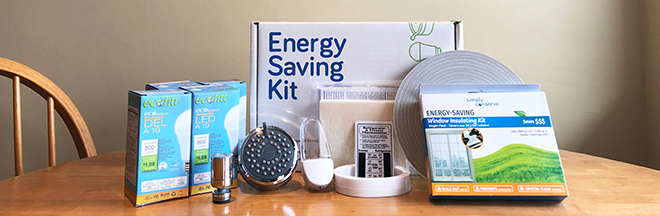
BC Hydro offers a free energy saving kit for low and moderate income households.
The kit includes:
- A high efficiency showerhead
- Water-saving tap aerators
- Other handy energy-saving devices
Save water, save energy, and lower your bills!
🚦 Water Restrictions
Want to know more about local water rules?
Visit our Conservation Bylaw page.
Drought Preparation
Using water efficiently year‑round helps reduce pressure on local water supplies and lowers the risk of restrictions during dry periods. Learn more about how the District plans for drought and water scarcity on our Drought Preparation page.
💬 Share Your Water-Saving Ideas!
Do you have a great water conservation tip?
Let us know and we’ll add it to our community suggestions!