Van Anda Water Supply
Van Anda obtains its water supply from Priest Lake.
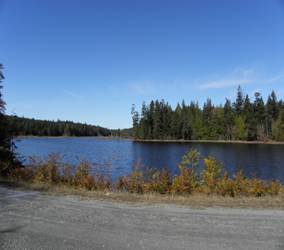
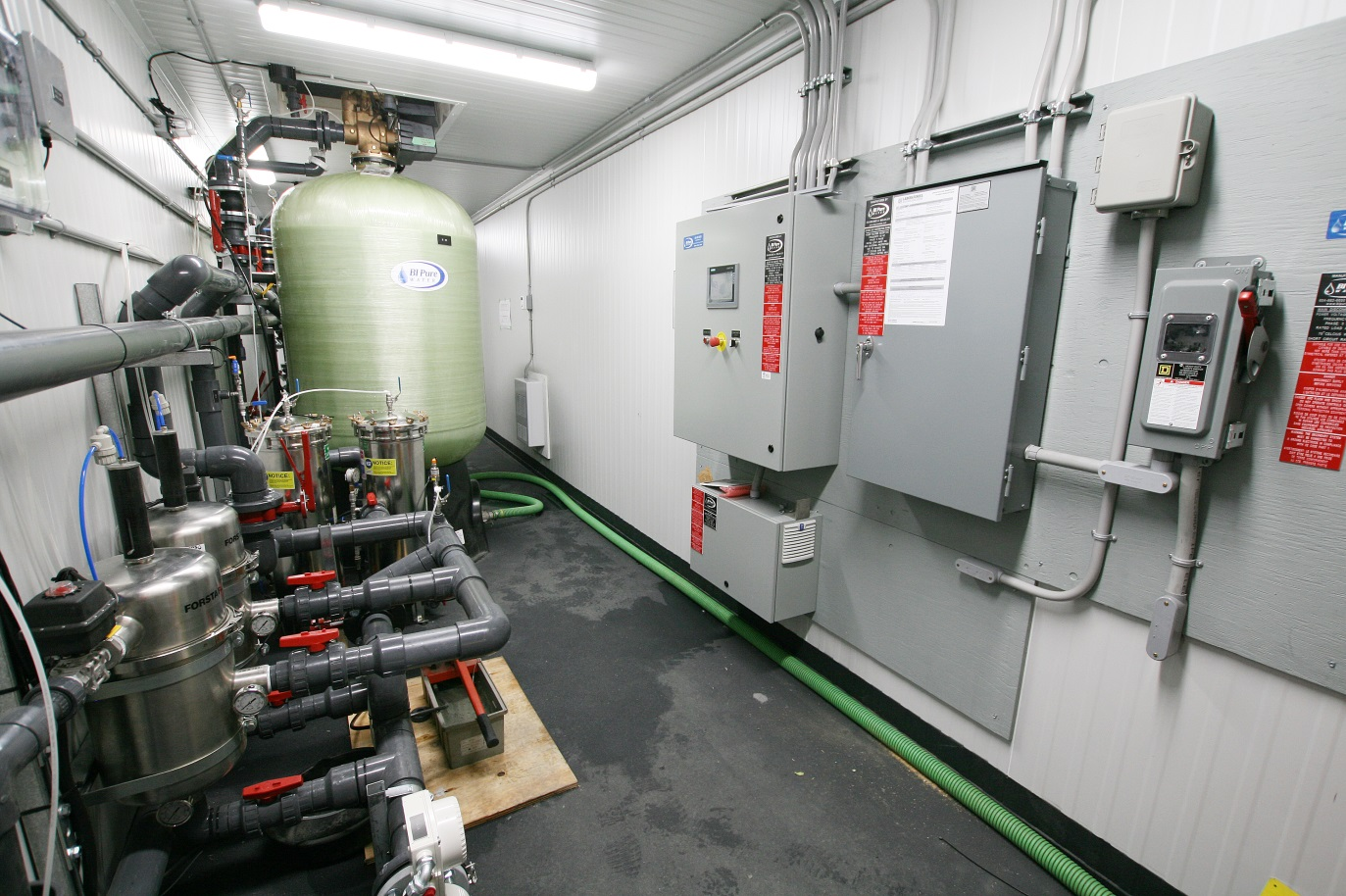
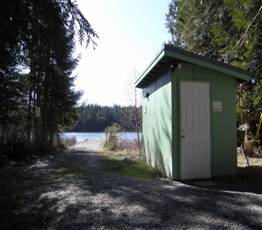
Water is pumped to the Water Treatment Plant (WTP), where it goes through several treatment steps. First, self‑cleaning filters remove larger particles, followed by finer cartridge filters. The water then passes through ion‑exchange filters that remove dissolved organic material, preparing it for effective disinfection.
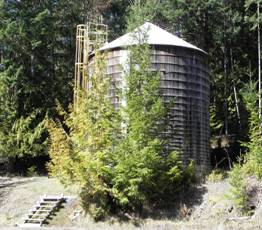
The filtered water is disinfected using ultraviolet light, followed by chlorine for final disinfection. It is then stored in the new storage tank and distributed to homes and businesses through the water‑main system.
Water Source & Treatment – Frequently Asked Questions
Where does our drinking water come from?
Van Anda’s drinking water comes from Priest Lake, which is the protected source of the community’s water supply. Priest Lake and the surrounding area are managed as a community watershed with strict land‑use controls and access restrictions in place to protect water quality. Activities around the lake are limited, gas‑powered boats are not permitted, and public access near the water treatment facilities is restricted to authorized personnel only.
These protections help reduce the risk of contamination before water ever reaches the treatment plant and are an important first step in ensuring safe drinking water.
Water is pumped from Priest Lake to the Water Treatment Plant (WTP), where it is treated before being stored and distributed to homes and businesses through the water‑main system.
How is the water treated?
Water goes through several treatment steps designed to work together:
- Filtration removes particles and fine material. Self‑cleaning filters remove larger particles, followed by finer cartridge filters.
- Ion‑exchange treatment removes dissolved organic material making the next steps more effective
- Ultraviolet (UV) disinfection inactivates microorganisms
- Chlorination provides final disinfection and protects water as it travels through storage tanks and pipes
Each step serves a different purpose and helps ensure safe, potable water reaches the tap.
Why is ion‑exchange treatment used?
Ion‑exchange treatment removes dissolved natural organic material from the water. This is important because organic material can react with chlorine during disinfection and form unwanted by‑products. Reducing organic material before chlorination improves overall water quality and helps manage disinfection by‑products.
Removing dissolved organic material also improves ultraviolet (UV) disinfection, as organic compounds can absorb or block UV light. By improving water clarity and UV transmittance, ion‑exchange treatment helps ensure UV disinfection works as effectively as intended.
If chlorine is added, why is UV also used?
UV and chlorine perform different roles:
- UV disinfection inactivates microorganisms while water is still in the treatment plant, including organisms that are more resistant to chlorine.
- Chlorine provides ongoing protection by maintaining a disinfectant residual as water moves through the distribution system.
Using both provides a higher level of protection than either method alone.
Why is water treatment expensive?
Treating drinking water is costly because it requires:
- specialized treatment equipment
- chemicals and treatment media
- electricity and continuous monitoring
- skilled operators and ongoing testing
- maintenance and replacement of aging infrastructure
As water quality standards become more stringent and treatment processes more advanced, operating costs increase. Reducing unnecessary water loss helps control these costs.
How does metering help manage treatment costs?
Water meters allow VAID to measure:
- total water produced at the treatment plant
- total water consumed by customers
By comparing these amounts, VAID can better understand how much treated water is being lost due to leaks or other system losses. This information helps prioritize maintenance and repairs, reducing wasted water and the cost of treating water that never reaches a customer.
Producing safe drinking water requires multiple treatment steps and ongoing investment. Monitoring water use through metering helps protect both the water supply and the community’s long‑term ability to operate the system efficiently.

Additional information
Water shed maps are on the Watershed Maps & Description page.
Learn more about our water supply and the treatment plant on the Reports and Recommendations page.
The following video is about the Van Anda water system; by Sandra Sims with contributions from Georgena Hollingshead.
Lafarge’s Priest Lake Water Quality Management Program is the subject of Darren Brown’s slide show presentation from November 13th, 2014. Brown is the Manager of Environment and Public Affairs, BC for Lafarge.
Outside links about water supply systems:
BC Waste and Water Association: www.bcwwa.org
Coast Water Suppliers Association: www.cwsa.net
The Online Help Centre for BC Small Water Systems (Thompson River University) smallwatersystemsbc.ca
Water Bucket: www.waterbucket.ca
Water Environment Federation: www.wef.org